











In 1994, a book of poems by Prabal Kumar Basu was published by 'Prama' under the title "Yapanchitra". Although Bengal has a long tradition of little magazines, by the end of the 1990s 'Krittibas' was virtually the only magazine identified exclusively with young writers, appearing just once a year. As a result, from the urge to create an independent periodical, 'Yapanchitra' magazine was launched in October 2002. Conceived not only as a poetry journal but with the intention of highlighting other aspects of culture as well, this lean, no-frills magazine began its journey under the editorship of Barnali Roy. From its very first issue, 'Yapanchitra' has borne the mark of individuality and originality. Since its inception, the magazine has been fortunate to receive the companionship, guidance, and affection of stalwarts of Bengali literature and art as advisors. Eminent figures such as Sunil Gangopadhyay, Jogen Chowdhury, Hiran Mitra, and Nirmalkanti Bhattacharya were intimately associated with 'Yapanchitra.' Under the guardianship of poet Prabal Kumar Basu from the very first issue, 'Yapanchitra' has succeeded in carving out its own place on the vast and expansive map of Bengali literature. At the very least, discerning critics of art and literature have acknowledged this fact in various columns.
The very connotation of the name 'Yapanchitra' offers some indication of the magazine’s temperament, direction, taste, and nature. The magazine seeks to be a portrayal of lived life. Although primarily a poetry journal, it has also given special importance, across different issues, to essays, translations of foreign literature, short stories, verse plays, cinema, and a wide range of other subjects.'Yapanchitra' has also obtained its own ISSN number. A distinctive feature of the magazine is its special supplements. In every issue, an almost research-oriented exploration of a specific theme elevates the magazine’s quality to a special height. Carefully planned, meticulously edited, and—above all—well-written dossiers on diverse and varied topics such as ‘Tibetan Jatra Songs,’ ‘My First Book,’ ‘Prose on Verse Drama,’ ‘The Role of the Intellectual and the Language of Protest,’ ‘Two Decades of Bengali Poetry without Shakti Chattopadhyay,’ ‘Documentary Film,’ and many others are virtually unparalleled in the world of Bengali little magazines. We believe this is not a matter of arrogance, but the result of hard work, deep thought, and above all, a profound attachment to the Bengali language. Although, ‘Yapanchitra’ is primarily a Bengali literary magazine, it also regularly brings special international issues in English featuring World poetry, poetry in different Indian languages, World cinema etc.
Even though ‘Yapanchitra’ began with magazine publication, it entered the world of publishing in 2004. What started with the publication of English-language books gradually expanded into Bengali books and translated literature. Upon entering the publishing arena,‘Yapanchitra’ encountered the helplessness of young poets and writers: they were often forced to publish their books at their own expense, with little protection from predatory publishers. Some publishers demanded large sums of money simply to publish a book. Recognising this predicament, and through the planning and efforts of poet Prabal Kumar Basu, Yapanchitra Publications took the initiative to publish books by young poets. In 2012, this project was launched under the title “The First Poetry Book of a Young Poet.” The aim was to publish the first books of young poets who were writing well but had not yet had a book published. The objective was to encourage those who wished to write in Bengali and to assure them that good writing would not lack a publisher. The project began in its first year with the publication of books by seven poets. It would not be an exaggeration to say that such an initiative is extremely rare in the world of Bengali publishing. Since 2012, Yapanchitra Publications has continued every year, on its own initiative, to publish the first poetry books of young poets. The quality of the manuscript is the sole criterion. Our resources may be limited, but our dedication is not. It is a matter of great satisfaction that in subsequent years, inspired by Yapanchitra’s initiative, many other publishers have also begun to publish first books by young poets.
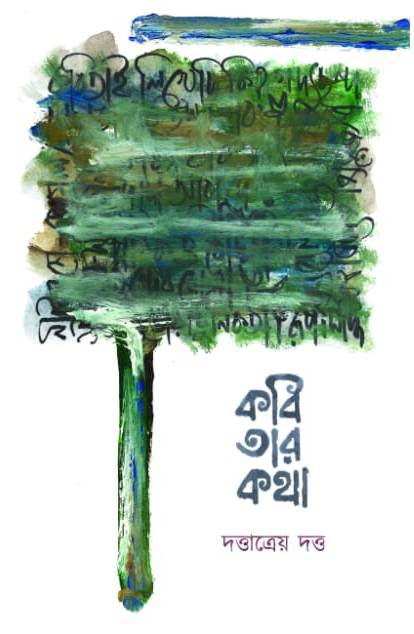
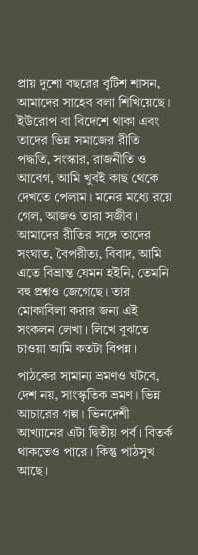
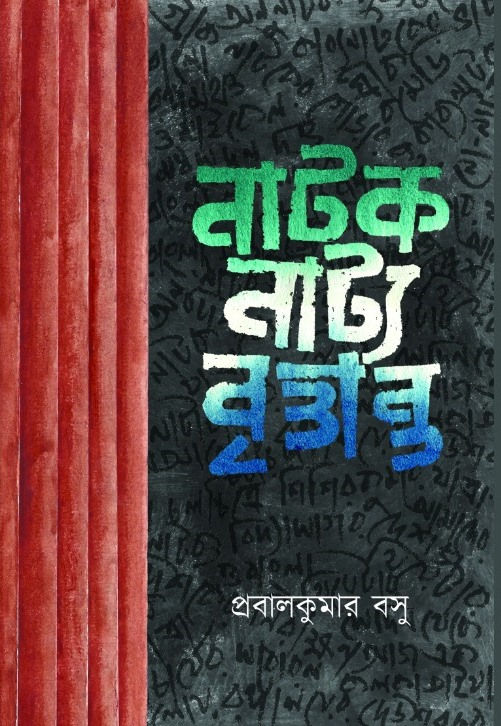
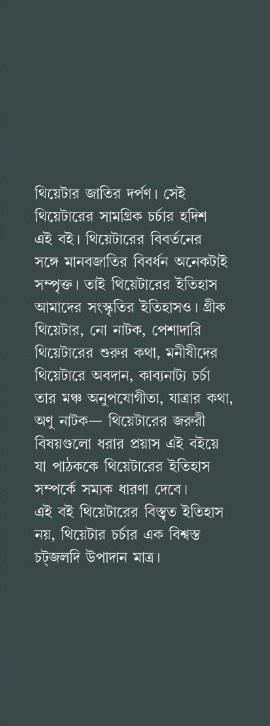
Let us take this opportunity to mention a few notable works published by Yapanchitra. Its very first publication was an English translation of a collection of short stories by Sunil Gangopadhyay. This was followed by an English novel by the renowned Marathi novelist Vishwas Patil; poetry books by Shamsur Rahman and Nirendranath Chakraborty in English translation; unpublished letters of Sisir Kumar Bhaduri; poetry books and prose collections by Prabal Kumar Basu; evocative prose by Somabrata Sarkar on the Baul–Fakir community; and a research volume by Abhijit Dasgupta on the history of periodicals, among others. Alongside there are numerous poetry collections, essay anthologies, drama collections, and books of short stories.
In 2023, Yapanchitra foundation has started a notable initiative by introducing Yapanchitra Puraskar. In three categories the Puraskars are given- Yapanchitra National Award for the contribution in poetry in Indian languages, Debkumar Basu Smriti puraskar for the contribution in Bengali poetry and Yapanchitra Prachchad Shilpi Puraskar for the contribution in cover design. These awards are given during the three-day Yapanchitra International Literary Festival in Kolkata. Poets and writers from different parts of the country and also from other countries took part in the festival.
At present, the chief editor of Yapanchitra magazine is poet Prabal Kumar Basu. The editorial board includes Bikash Gan Chowdhury, Mostak Ahmed, and Trina Chakraborti. All website and online-related responsibilities are handled by Sundaram Das. The head of Yapanchitra Publications is Barnali Roy, who also served as the editor of Yapanchitra magazine for its first ten years. Yapanchitra is a family—brimming with youth—and a distinct blueprint of art, literature, and culture.


বিভাগ
আর্কাইভ


